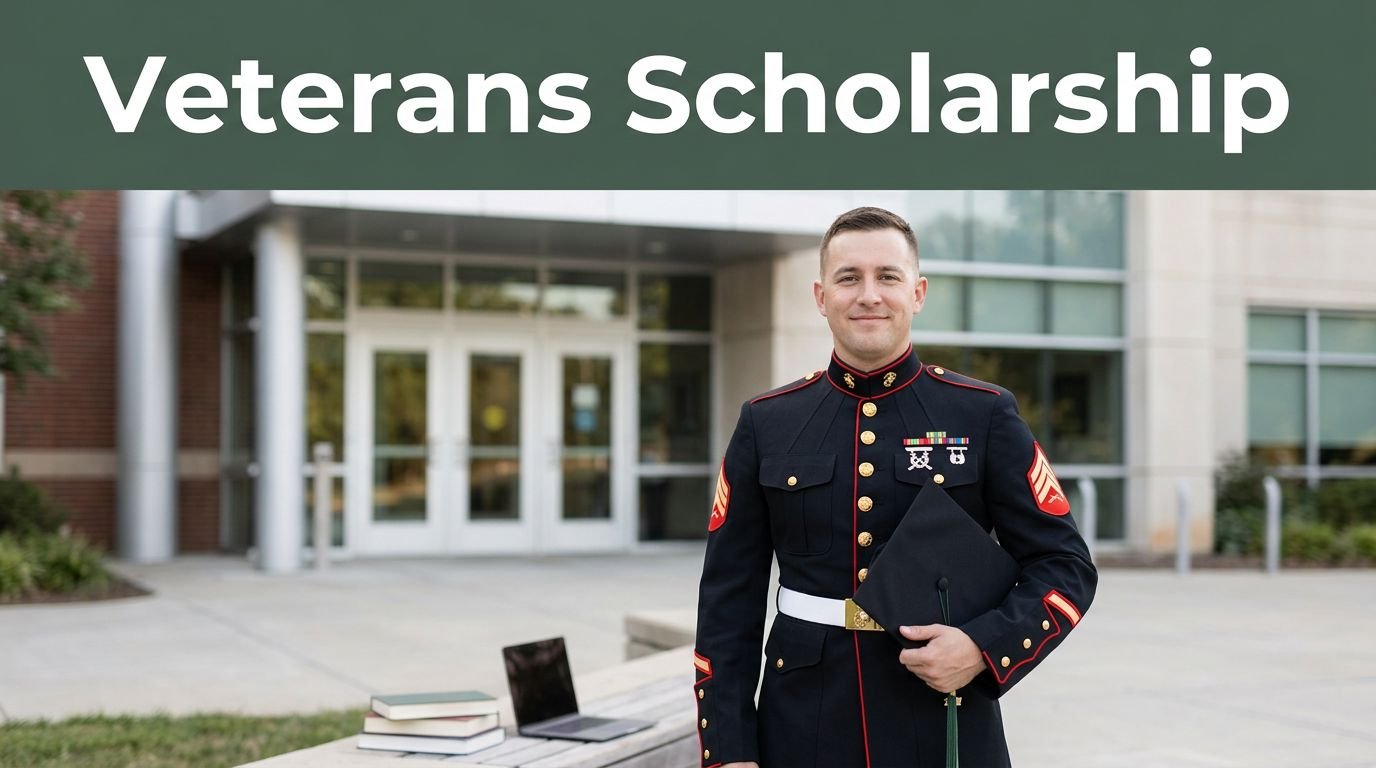
Thank you for your service and the sacrifices you made while in uniform. Moving from a military environment to the classroom or a civilian career is a massive shift, and finding the right path forward takes grit. Education is often the most effective tool you have for that transition, but the costs can add up fast.
Securing a veterans scholarship is one of the smartest ways to lower your tuition and keep your debt in check. These awards exist to support your goals, and when you combine them with your existing benefits, you can often cover your entire degree without reaching into your own pockets.
If you are ready to stop worrying about how to pay for your education, let us walk through the steps to find and claim the funding you earned.
Why Military Students Should Seek Out Financial Aid
You might think your military service benefits cover everything, but that is rarely the case. Education costs go beyond just tuition, and relying on one source of funding often leaves you short when it comes to books, housing, or supplies. Seeking out extra help is not just smart, it is a way to protect your personal savings while you finish your degree. When you treat your education like a mission, you leave nothing to chance.
Distinguishing Between Government Benefits and Private Awards
Most veterans start with the GI Bill or Tuition Assistance. These are government-funded programs, and they are excellent. However, they have limits. The GI Bill covers specific amounts of tuition and housing, but private money operates differently. A veterans scholarship is often provided by a nonprofit, a corporation, or a university endowment. These awards are separate from federal funding.
The best part about private awards is that they are stackable. You can typically use them alongside your GI Bill money without a penalty. While the government provides your base funding, private awards act as a top-off. They help cover the gaps that federal programs do not touch. When you win a scholarship from a private source, you are essentially increasing your total pool of resources. This prevents you from having to use your own paycheck or student loans to cover the difference in costs. Keep in mind that some schools have policies on how they stack awards, so always check with the financial aid office to make sure you are maximizing your total intake.
Boosting Your Chances of Winning Support
Competition for private funding is real, but you already have a head start. Your military service is a massive selling point. Donors look for discipline, leadership, and a proven track record of handling pressure. When you apply, your service record is not just a line on a form. It is proof that you can handle the rigors of higher education.
Keep your documents ready at all times. A messy resume tells a donor you aren’t prepared. Your materials should clearly outline:
- Academic standing: Highlight your current GPA and any honors you have earned since leaving the service.
- Military awards and commendations: These speak volumes about your character and ability to perform under stress.
- Volunteer work: Show the committee how you contribute to your community, not just your own goals.
Don’t wait until the week before a deadline to update your info. Keep a master file on your computer with your transcripts, a current resume, and a list of your accomplishments. When a new veterans scholarship pops up, you want to be ready to apply immediately. If you have to scramble to find your DD214 or a transcript, you are missing out on time that could be spent tailoring your essay. Treat every application like a formal briefing. Be concise, be professional, and show them exactly why you are the best candidate to receive their support.
Top Resources for Finding a Veterans Scholarship
Finding the right money starts with knowing exactly where to look. You cannot wait for the perfect opportunity to land in your inbox. You have to hunt for it, and the best way to do that is to use tools that narrow the field so you aren’t wasting hours on dead ends.
Tools for Searching Local and National Databases
When you start your search, focus on platforms that let you filter by your specific background. Many national databases allow you to toggle settings for your branch of service, your specific MOS or rating, and even the branch of service your parent served in if you are a dependent. Don’t just search for “veterans scholarship.” That is too broad and will only give you thousands of irrelevant results. Instead, use filters to show awards meant for your demographic.
Use sites like the College Board’s scholarship search tool or Fastweb, but always prioritize sites that specifically list military-affiliated aid. These platforms let you save your profile, so you get alerts when a new grant matches your criteria. If you are pursuing a specific degree, like nursing or engineering, add that to your search filters. Many professional organizations offer grants specifically for veterans entering their field.
Stay consistent with your search cadence. Check these databases once every two weeks. If you find a dead link or an outdated page, move on immediately. Your time is valuable, and you need to spend it on applications that are actually open and accepting candidates. Keep a spreadsheet of the awards you find, noting the deadline, the amount, and the specific requirements for each one. This prevents you from forgetting a great opportunity as the due date approaches.
Connecting with Veteran Service Organizations
National databases are a great start, but local money is often where the real success happens. Organizations like the Veterans of Foreign Wars (VFW) and The American Legion have local posts in almost every town. These groups often manage their own funds or know exactly who is handing out money in your community.
Stop by your local post and introduce yourself. Don’t just ask for a handout. Ask the commander or the service officer if they know of any local community foundations or private donors who support student veterans. These people are often the gatekeepers for local funding that never makes it onto a national website. They can point you toward regional awards that have far fewer applicants than the big-name scholarships.
Think of these organizations as your eyes and ears on the ground. A local VFW might offer a small scholarship that only five people apply for, which makes your odds of winning significantly higher. If you join these groups or participate in their local events, you become a familiar face. When a donor reaches out to the post looking for a deserving veteran to support, they will think of you first. Networking within these groups is more than just social; it is a smart strategy to uncover hidden sources of tuition help.
How to Craft a Winning Application
Winning a veterans scholarship requires more than just filling out a form. You are competing against other high-achieving individuals, and the committee wants to see who you are beyond your military service record. They look for clarity, passion, and a plan for your future. When you approach your application like a high-stakes mission, you control the narrative and prove why you deserve their investment.
Sharing Your Military Experience Effectively
Translating your military background into something a civilian scholarship committee understands is a skill. Many veterans fall into the trap of using too much jargon or acronyms that mean nothing to someone outside of the service. You need to strip away the “military-speak” and focus on the human impact of your actions. Instead of writing about specific drills or equipment, talk about the leadership, responsibility, and problem-solving you exercised daily.
Think of your service as a series of professional achievements. If you managed a budget for a supply unit, you were an accounts manager. If you led a team during training exercises, you were a project manager or a supervisor. These roles are relatable to anyone in the civilian workforce. When you describe your work, use action verbs that emphasize results. Use phrases like “oversaw a team of ten,” “managed equipment inventories valued at fifty thousand dollars,” or “reduced training downtime by fifteen percent.”
Your goal is to demonstrate that your military training prepared you for the mental rigors of college. Show how the discipline you learned during service helps you manage your time, handle stress, and collaborate with others in a group setting. Avoid making your essay sound like a list of medals or formal commendations. Instead, tell a story about a specific challenge you overcame and how that experience changed your perspective. Committee members want to support someone who has a clear vision, and your military service is the foundation that gives that vision credibility.
Getting Strong Letters of Recommendation
A stellar letter of recommendation is often the tie-breaker for a veterans scholarship. Don’t just ask the person with the highest rank or the biggest title. You need someone who knows your character and your work ethic on a personal level. Ideally, this is a professor, a former commanding officer, or a mentor who can speak to your academic potential or your drive to succeed. When you ask them, make sure you give them plenty of time, preferably at least four weeks before the deadline.
Help your recommenders write the best possible letter by making it easy for them. Provide a short summary of your goals, a copy of your resume, and any specific points you want them to highlight. If you are applying for a scholarship focused on leadership, tell them that. If it is an academic award, remind them of a project or paper you did that shows your intellectual curiosity.
When you send your request, do it professionally. Explain why you are choosing them and what the award means for your future. It is also smart to provide them with the submission instructions well in advance so they aren’t scrambling to upload a file at the last minute. A thoughtful, detailed letter from a supervisor who knows your true capabilities carries more weight than a generic, one-page note from a high-ranking official who barely knows your name. Remember, you are asking for their time and their reputation, so show them the respect of being prepared.
Common Pitfalls to Avoid in Your Search
Even with a solid plan, the hunt for a veterans scholarship is full of hidden traps that trip up even the most prepared applicants. A single mistake can knock you out of the running before a committee ever reads your essay. You have worked hard to earn these opportunities, so do not let a sloppy error or a bad habit cost you the funding you need for your education.
Ignoring the Specificity of Eligibility Criteria
The most common mistake is wasting time on awards you have no chance of winning. You might see a huge cash prize and decide to apply just to see what happens, but this is a drain on your energy. Committees have strict guidelines for a reason. If you do not meet every requirement listed, they will discard your application in seconds to move on to the next candidate.
Take a hard look at the fine print for every veterans scholarship you find. Ask yourself these questions before you even open an application:
- Does this award require a specific GPA that you do not currently hold?
- Are you currently enrolled in the exact major or field of study they specify?
- Do you meet the geographical requirements if the scholarship is for a specific region or state?
- Is your military branch or service status a match for their target demographic?
If you don’t fit the mold perfectly, keep looking. Your time is better spent on an application where your background makes you a strong candidate rather than an outsider.
Missing Deadlines and Disorganized Submission
Deadlines are absolute, and there is no grace period for late submissions. If you submit your materials one hour past the closing time, you will not be considered. Some students assume the system will let them upload late, but servers often shut down exactly when the clock strikes midnight. Do not gamble with your education money.
You can prevent this by keeping a master calendar for every veterans scholarship on your radar. Start the process early, and aim to finish your application at least three days before the actual due date. This gives you a buffer for technical glitches, internet outages, or last-minute questions that might arise.
Check your email regularly for confirmation notices once you hit submit. If you do not receive a follow-up or a status update within a few days, call or email the contact person. Never assume a digital submission went through just because the screen didn’t show an error.
Relying on Generic Essays and Materials
Committees read hundreds of essays, and they know a generic one when they see it. If you copy and paste the same personal statement for every application, you are failing to connect with the people who hold the purse strings. A veterans scholarship donor wants to support a specific goal, not a vague request for money.
Tailor every single application to match the mission of the organization offering the award. If a foundation focuses on service dogs for wounded vets, talk about why that mission matters to you. If a local university scholarship emphasizes community involvement, highlight the work you did while stationed near your current town.
When you re-use content, you risk leaving in the name of a different organization or a goal that doesn’t fit the current prompt. This looks lazy and suggests you do not care enough about the award to write a custom response. Spend the extra time to answer their prompt directly, and your application will stand out from the pile of recycled essays that don’t address the specific requirements of the donor.
Navigating the Transition from Service to Campus Life
Moving from a high-stakes military role to the quiet rhythm of a college campus feels strange. You go from having a clear mission and a tight-knit squad to sitting in a lecture hall with people who might be five years younger than you. The shift is not just about academics; it is about finding your place in a new culture. You have skills that most students lack, but you also have to learn how to communicate those experiences to professors and peers who have never worn a uniform.
Success in this environment depends on how well you adapt to the lack of structure. In the military, your day is planned for you. In college, you are the project manager of your own life. This autonomy is a huge advantage if you use it to build a schedule, set deadlines, and hold yourself accountable. You already know how to handle pressure and hit targets, so apply that same focus to your syllabus. Treat your degree like a mission objective, and you will find the transition much smoother.
Using Your Network to Your Advantage
You do not have to figure out this new world on your own. There are thousands of other veterans walking the same path, and many of them have already cracked the code on how to balance life and school. Reach out to the student veteran organization on your campus immediately. These groups provide a built-in network of people who understand your background and can point you toward resources you might otherwise miss.
Sharing information with other veterans is the quickest way to get ahead. If a peer recently applied for a specific veterans scholarship, ask them how they handled the application or what they highlighted in their essay. You will often find that they have tips on local funding or specific university grants that aren’t advertised on the main financial aid page. Don’t view other students as competition for a limited pot of money. Most of the time, the people who share their secrets are the ones who end up winning because they build a reputation for being helpful and engaged.
Connect with your fellow veterans through these habits:
- Attend the first meeting of the veteran student group to see what resources they offer.
- Start a study group with other service members to keep each other on track.
- Ask upperclassmen which professors are friendly to veterans and which ones might be worth avoiding.
- Share your own experiences with scholarship applications to help the next person in line.
Building these bonds makes the isolation of campus life disappear. You get a support system that actually gets your reality, and you gain access to a treasure trove of shared wisdom. Never underestimate the power of a simple conversation in the veteran lounge; it is often where you will find the best lead on your next veterans scholarship.
Conclusion
You put in the work to serve, and now it is time to let that service work for you. Securing a veterans scholarship is about more than just lowering tuition costs. It is a way to reclaim your time and focus on your studies instead of stressing over your bank account. These funds exist because people recognize the discipline and grit you bring to the classroom.
Do not leave this money on the table. You earned every bit of it, so treat the search process like any other mission. Identify the programs that fit your background, sharpen your narrative, and get your documents in order today.
Go back to your master list or open your favorite database right now. Submit your first application before the sun goes down.
This post may contain affiliate links. If you make a purchase through these links, I may earn a small commission at no extra cost to you.