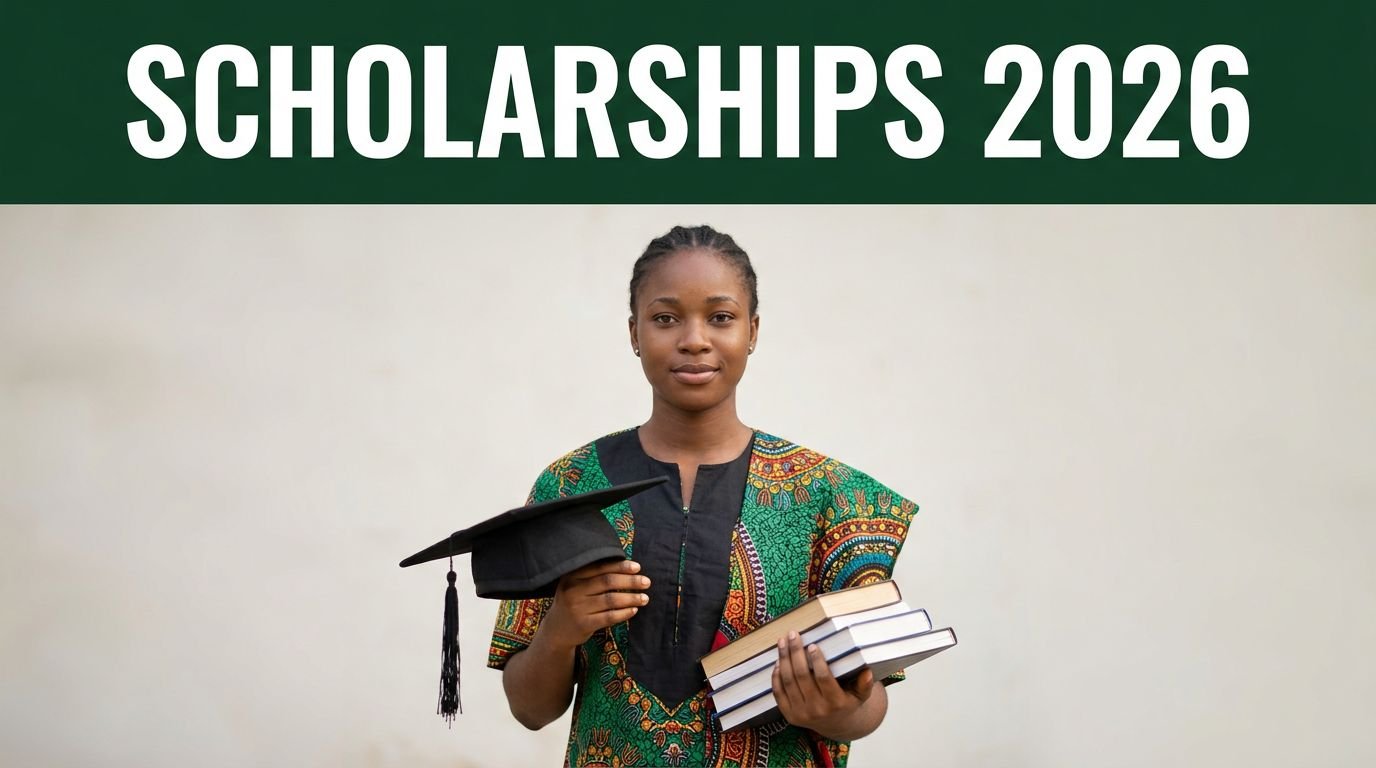
Scholarships for Nigerian students matter more in 2026 because tuition, housing, and travel costs keep rising. For many families, an award is the difference between delaying study and moving forward on time.
The search is wider than it looks. Nigerian applicants now compete for local awards, foreign government programs, university grants, company funds, and foundation support. The strongest results usually go to students who know which category fits, which documents matter, and which offers are worth the effort.
The main scholarship routes Nigerian students should know
The scholarship market is broad, but the main routes are easy to separate once the labels are clear. Some awards are tied to location. Others depend on school level, subject area, or financial need.
Local and international scholarships work differently, and the coverage also changes. One award may pay tuition only. Another may cover flights, insurance, and a monthly stipend. That difference matters before any application begins.
Local scholarships available inside Nigeria
Local awards often come from the federal government, state governments, universities, and Nigerian companies. They usually favor merit, need, or a course that fills a national gap.
Engineering, medicine, education, and petroleum-related fields often show up in these schemes. So do awards for students from specific states or communities. University scholarships may reward top grades, while company schemes may look for future workers in fields linked to the sponsor’s business.
These awards can be easier to access because they speak the same administrative language as the applicant. Still, the competition is strong, and the paperwork can be strict.
International scholarships open to Nigerians
Many Nigerian students also target scholarships in the UK, US, Canada, Germany, Hungary, and other European countries. Some come from foreign governments. Others come from partner universities or large foundations.
Well-known programs such as Chevening, Fulbright, DAAD, Commonwealth, and GREAT Scholarships often appear on official pages with country-specific rules. University awards can be even more targeted, especially for master’s and PhD study.
Fully funded and partial scholarships, what is the real difference?
The label sounds simple, but the details matter. A scholarship can look large and still leave major expenses uncovered.
Funding type |
Common coverage |
What it usually means |
|---|---|---|
Fully funded |
Tuition, accommodation, travel, insurance, visa support, stipend |
Most study costs are covered |
Partial |
Tuition only, or a fixed cash award |
The student still needs other funding |
Tuition waiver |
Some or all school fees |
Living costs stay separate |
Stipend-based |
Monthly living allowance |
Useful when tuition is already paid |
A partial scholarship can still be valuable. A tuition waiver may cut the bill enough to make study possible. A living stipend can also work well when family support or another award covers fees.
How to spot scholarships that are worth applying for
A good scholarship search is part sorting, part patience. Many applicants lose time by chasing awards they cannot win or do not need.
The best filter starts with three questions. Does the student qualify? Is the sponsor real? Does the award match the student’s level and plan?
Check the eligibility rules before anything else
Age, nationality, academic level, course of study, and grade point average matter more than many applicants expect. A master’s award will not help an undergraduate. A course-specific award will not fit a student in the wrong field.
Deadline timing matters too. Some programs open once a year. Others close as soon as enough applications arrive. Reading the rules line by line saves more time than any quick search.
Watch for red flags and fake scholarship offers
Fake offers often look urgent, messy, or vague. They pressure applicants to pay before review. They hide the sponsor. They ask for odd personal details.
Common warning signs include:
- Application fees before any real assessment.
- Poor website design with broken contact details.
- No clear sponsor, school, or foundation name.
- Messages that demand fast payment.
- Promises that sound too generous to be true.
A scholarship that asks for money before review is already a warning sign.
Match the scholarship to the student’s goals
The best award is not always the largest one. A smaller scholarship at the right school can beat a bigger award in the wrong field.
Undergraduate applicants usually need broader support and clear admission rules. Master’s students often need awards tied to research areas or professional goals. PhD applicants face a different test, because supervisors, research fit, and publication history can matter as much as grades.
A strong match saves time and raises the odds of success.
What strong applications from Nigerian students usually have in common
Competitive applications rarely look flashy. They look complete, clear, and exact. Sponsors want a file that tells one story without confusion.
That story should connect past results, current need, and future plans. A scattered application weakens itself before the review even begins.
Writing a personal statement that sounds real
The best personal statements do not try to sound perfect. They sound honest. They show academic focus, not recycled praise.
Strong statements usually explain why the field matters, what the student has already done, and what comes next. Leadership, community work, and financial need can matter, but only when they fit the larger story. Generic lines weaken the file. Specific experiences strengthen it.
Using transcripts, grades, and test scores well
Academic records tell reviewers whether the student can handle the work. Consistency often matters more than one standout term.
Some awards want top grades. Others care more about progress, effort, and potential. A student who improved over time may still be competitive. When language proof is required, the score should be current and valid.
Getting strong recommendation letters and documents on time
Referees should know the applicant well enough to write with detail. A letter from a real lecturer or supervisor is worth more than a vague favor.
Documents also need care. Passports, admission letters, transcripts, and test results should match the application form. Small errors create delays. Missing documents can end the process.
The safest files usually look plain, but they arrive complete.
Where Nigerian students can search for scholarships without losing time
The fastest search often begins with the original source, not a repost. Official pages carry the cleanest dates, rules, and forms.
Scholarship websites, university admissions pages, embassy pages, and government portals are still the main channels. Reputable foundations also publish awards directly and update their own deadlines.
Official university and government websites
University pages are the best source for admission-linked awards. Many international scholarships only appear there, and the rules can vary by department.
Government portals are equally useful for local awards. Nigerian federal and state scholarship boards often post the exact documents they want, along with who can apply. That reduces confusion and cuts down on false leads.
Trusted scholarship foundations and education organizations
Large organizations such as Chevening, Fulbright, DAAD, and the Commonwealth Scholarship Commission usually publish their details on official pages first. The same is true for many university partners and embassy education pages.
The key is verification. Even when a scholarship is listed on a database, the original source should confirm the deadline, eligibility, and required papers. That habit prevents wasted effort.
Search habits that save time and improve results
A simple system helps more than repeated scrolling. The best applicants track opportunities the way a careful editor tracks deadlines.
- Keep a spreadsheet with the sponsor, level, country, and close date.
- Save the official page for each award.
- Gather transcripts, references, and passport files early.
- Apply to smaller awards as well as famous ones.
Smaller awards can still pay off. A modest grant is better than no grant, especially when many applicants ignore it.
Conclusion
The scholarship search in 2026 rewards clarity. Nigerian students who know the main scholarship types, verify eligibility, and avoid fake offers save more time and miss fewer openings.
Strong applications still matter most. A complete file, a clear personal story, and clean documents often separate the final shortlist from the pile of rejected forms. The best opportunities usually go to students who start early and apply carefully, not only to those with the highest grades.
Frequently asked questions
Who can apply for scholarships for Nigerian students?
Most awards are open to Nigerian citizens at undergraduate, master’s, or PhD level. Some also include specific states, fields of study, or age limits.
What does fully funded scholarship mean?
It usually covers tuition and may also include accommodation, travel, insurance, visa support, and a monthly stipend. Coverage depends on the sponsor.
Are partial scholarships worth it?
Yes. A tuition waiver or cash grant can reduce costs enough to make study possible, especially when combined with family support or another award.
Where do most legit scholarships get posted?
Official university sites, government scholarship portals, embassy education pages, and major foundations are the most reliable sources.
What is the biggest mistake applicants make?
Applying without checking eligibility. Many students lose time on awards they cannot qualify for, or submit incomplete documents.
This post may contain affiliate links. If you make a purchase through these links, I may earn a small commission at no extra cost to you.