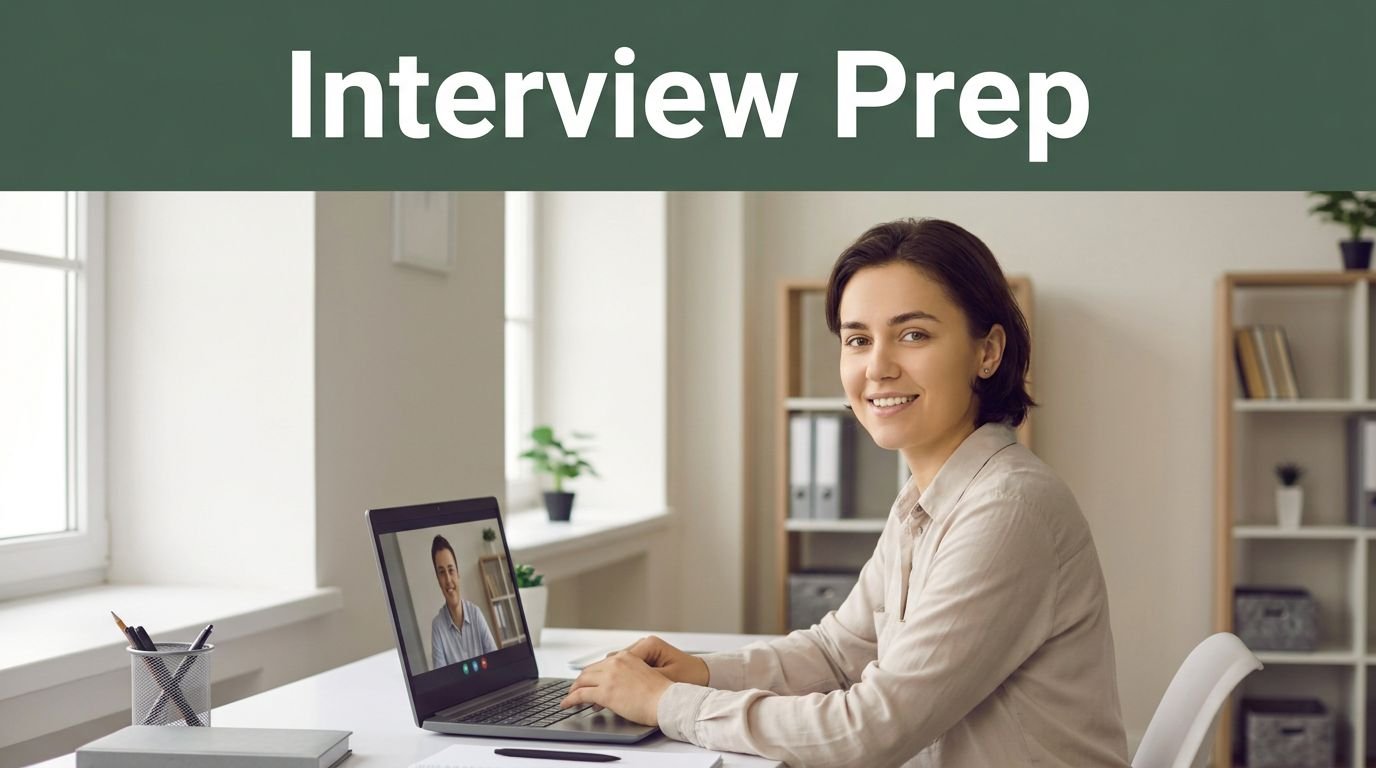
An online scholarship interview gives you a chance to explain the person behind your application. Your essay, grades, activities, and financial information show part of your story, but the interview lets the scholarship committee hear your goals, values, and personality in your own words.
Knowing how to prepare for an online scholarship interview can help you feel more comfortable and answer questions with greater clarity. You don’t need to memorize a perfect script or pretend you never get nervous. You need a reliable setup, a clear understanding of your application, and a few well-practiced stories that show why the scholarship matters to you.
Use the steps below to prepare for the technical, professional, and personal parts of your interview.
1. Read the Interview Invitation Carefully
Start by reviewing the interview invitation as soon as you receive it. Look for the date, time zone, expected length, video platform, meeting link, interviewer names, and any instructions about documents or presentations.
An interview scheduled for 10:00 a.m. Eastern Time is different from one scheduled for 10:00 a.m. Pacific Time. If the invitation doesn’t list a time zone, check the scholarship provider’s location and contact the organization for confirmation. A simple time-zone mistake can create unnecessary stress before the interview even begins.
Write the details in one place, such as a calendar entry or a preparation document. Include:
- The interview date and time
- The time zone
- The video platform, such as Zoom, Microsoft Teams, or Google Meet
- The meeting link
- The expected interview length
- The names and titles of the interviewers
- Documents you need to have nearby
- A contact email or phone number for technical problems
Check whether the interview requires a camera. Some organizations may allow audio-only participation, but you should prepare for a video interview unless the invitation says otherwise. If the scholarship provider asks you to prepare a short presentation, personal statement, or portfolio, read the instructions more than once so you understand what the committee expects.
2. Research the Scholarship Provider and Its Mission
Your answers should show that you understand who is awarding the scholarship and why the program exists. Visit the provider’s official website and read its mission statement, scholarship requirements, recent announcements, and information about past recipients.
Pay attention to the qualities the organization values. A community foundation may focus on local involvement and service. A professional association may care about academic achievement and interest in a particular career field. A company-sponsored scholarship may look for students who connect with its work, values, or industry.
You don’t need to repeat the organization’s website word for word. Instead, connect its priorities to your own experience. For example, if the scholarship provider supports students who improve access to education, you might discuss your work as a peer tutor, your experience helping younger students, or your plan to make education more accessible in your future career.
Research can also help you ask better questions at the end of the interview. You may want to ask how recipients stay connected with the organization, whether the program includes mentorship, or how the provider measures the scholarship’s effect on students.
Use official sources for your research whenever possible. If you found the scholarship through ScholarshipVaults, visit the provider’s own website before the interview and confirm the most current details, deadlines, and eligibility information.
3. Review Your Scholarship Application From Start to Finish
The interview committee will probably ask about information you already submitted. Read your application, personal essay, activity list, resume, transcripts, and letters of recommendation if you have access to them.
Pay close attention to the details in your essay. If you wrote about caring for a family member, leading a school project, overcoming an academic setback, or volunteering in your community, prepare to explain that experience in more detail. The committee may ask what you learned, what you would do differently, or how the experience influenced your future plans.
Make a short list of the main points in your application:
- Your academic interests
- Your intended major or career path
- Your most meaningful activities
- A challenge you faced
- A result or accomplishment you’re proud of
- Your financial or educational goals
- The reason this scholarship matters to you
Look for gaps or areas that need explanation. If your grades dropped during a certain semester, prepare a brief and honest explanation without making excuses. If you changed your major, explain what you learned during that process. If your application includes a long list of activities, decide which two or three experiences best show your character and goals.
Your interview answers should match the facts in your application. You don’t need to repeat every sentence, but your story should remain consistent.
4. Prepare a Clear Personal Introduction
Many scholarship interviews begin with a question such as, “Tell us about yourself.” This question sounds simple, but it can be difficult if you haven’t planned a response.
Prepare a one- to two-minute introduction that covers who you are, what you’re studying or planning to study, what interests you, and what you hope to do next. Choose details that relate to the scholarship instead of listing every fact about your life.
A useful structure looks like this:
- State your name and current academic situation.
- Mention your field of study or career interest.
- Share one experience that shaped your goals.
- Explain what you’re working toward.
For example, you might explain that you’re a first-generation college student studying environmental science, that a water-quality project introduced you to public health, and that you hope to help small communities improve access to clean water.
Keep your introduction natural. Don’t recite it as if you’re reading an announcement. Practice the main points so you can speak comfortably while still sounding like yourself.
5. Create Five to Seven Stories You Can Use in Different Answers
Specific stories make your answers easier to remember and more convincing. Before the interview, choose five to seven experiences that show different parts of your character.
Your stories might include:
- A time you solved a difficult problem
- A leadership experience
- A mistake that taught you something useful
- A personal, academic, or financial challenge
- A project that required teamwork
- A service activity that mattered to you
- An experience that influenced your career goals
Use the STAR method to organize each story. STAR stands for Situation, Task, Action, and Result.
- The situation explains what was happening.
- The task explains your responsibility.
- The action explains what you did.
- The result explains what changed or what you learned.
Suppose you want to describe a community food drive. You could explain that your school had trouble collecting enough donations, that you were responsible for improving participation, that you created a classroom competition and contacted local businesses, and that the drive collected more items than the previous year.
Your stories don’t need dramatic endings. A small experience can work well if it shows responsibility, persistence, kindness, curiosity, or growth. Focus on your role and the choices you made. The committee wants to understand how you think and act, not just hear a list of impressive outcomes.
6. Practice Answers to Common Scholarship Interview Questions
You can’t predict every question, but you can prepare for topics that appear in many scholarship interviews. Write down short notes for each question, then practice answering without reading a full script.
Common questions include:
- “Why did you choose your field of study?”
- “What are your long-term career goals?”
- “Why do you deserve this scholarship?”
- “How would this scholarship help you?”
- “What is one challenge you’ve overcome?”
- “Tell us about a time you showed leadership.”
- “How do you handle failure?”
- “What are you most proud of?”
- “How do you contribute to your community?”
- “What makes you different from other applicants?”
- “Where do you see yourself five or ten years from now?”
- “What would you do if you weren’t selected for this scholarship?”
When answering why you deserve the scholarship, don’t compare yourself with other applicants or suggest that you’re more deserving than someone else. Explain what you’ve worked toward, what the funding would cover, and how the award would support your education.
A strong answer might connect three points: your current effort, your future goal, and the scholarship’s practical effect. You could explain that the award would reduce your need to work extra hours, give you more time for coursework, and help you complete the training required for your intended career.
Be honest about your plans. You don’t need to have every detail of your future decided. You can describe your current direction and explain how your education will help you explore or pursue it.
7. Practice Speaking Without Memorizing a Script
Writing answers can help you organize your thoughts, but memorizing every word can make your delivery sound stiff. Instead, create short notes with keywords and practice explaining each idea in your own words.
Record yourself answering a few questions on your phone or computer. Listen for answers that are too long, unclear, or filled with repeated phrases. Pay attention to your speaking speed and volume. You may speak faster when you’re nervous, which can make a thoughtful answer difficult to follow.
Ask a teacher, counselor, family member, friend, or mentor to conduct a practice interview. Give that person a list of questions and ask for direct feedback. They can tell you if your examples are specific, whether your answers connect to your goals, and if your body language looks distracted.
Use a timer during practice. Most answers should take about one to two minutes, although a question about a major experience may need more time. If your answer lasts five minutes, look for places where you repeat the same idea or include details that don’t help the listener understand your point.
A short pause before answering is fine. You don’t need to fill every second with “um,” “like,” or “you know.” Taking a breath can help you organize your response and shows that you’re giving the question proper thought.
8. Test Your Computer, Camera, Microphone, and Internet Connection
Technical problems can interrupt an otherwise strong interview, so test your equipment before the day of the meeting. Use the same computer, internet connection, headset, and location that you’ll use for the actual interview.
Check that:
- Your computer is fully charged or connected to power.
- Your camera shows your face clearly.
- Your microphone records your voice at a comfortable volume.
- Your internet connection stays stable during a video call.
- Your video platform opens correctly.
- Your username and profile photo look appropriate.
- Your camera is positioned at eye level.
- Your face is centered in the frame.
Complete a test call with someone you trust. Ask whether your voice sounds clear and whether there is an echo, background noise, or delay. If your computer microphone isn’t reliable, use a headset or external microphone if you have one.
Update Zoom, Microsoft Teams, Google Meet, or any other platform before the interview. Don’t wait until a few minutes before the call to install an update. Check whether you can mute and unmute yourself, turn your camera on and off, and switch between audio sources.
If the interview may include a presentation, test screen sharing in advance. Close private tabs, messages, and unrelated documents before you share your screen. You don’t want personal information or distracting notifications to appear during the meeting.
9. Set Up a Quiet and Professional Interview Space
Choose a location where you can speak without interruptions. Tell the people you live with about the interview time, and place a note on the door if that helps prevent interruptions. Put your phone on silent and turn off computer notifications.
Your background should be clean and simple. A blank wall, tidy bookshelf, or organized study area usually works well. Remove anything that could distract the interviewer, including piles of laundry, clutter, bright signs, or unrelated screens.
Lighting matters because the interviewer needs to see your face. Face a window if the natural light is soft and steady. If you use a lamp, place it in front of you rather than directly behind you. A bright window behind your head can make your face look dark on camera.
Position your camera at eye level. You can raise your laptop on a few sturdy books if necessary. Leave a small amount of space above your head, and check the frame before the meeting starts.
Don’t worry about creating a perfect studio. The goal is a space that helps you stay focused and lets the committee hear and see you clearly.
10. Choose Your Clothing and Practice Professional Body Language
Wear clean, comfortable clothing that fits the tone of the scholarship interview. Business-casual clothing is usually a safe choice, while a formal scholarship program may call for a more traditional professional outfit.
Choose clothing that won’t distract from your face or make you uncomfortable. Very bright colors, busy patterns, noisy jewelry, and clothing that needs constant adjustment can take attention away from your answers. Test your outfit on camera before the interview so you know how it looks under your lighting.
Sit with your shoulders relaxed and your back supported. Look at the camera when you’re speaking, but don’t force constant eye contact. It’s normal to glance away briefly while thinking. When the interviewer speaks, look toward the screen and show that you’re listening.
A natural smile, small nod, or brief verbal response can show engagement. Avoid fidgeting, checking your phone, typing, or looking repeatedly at another screen. If you use notes, keep them close to the camera so your eyes don’t move far away from the screen.
Your body language doesn’t need to look rehearsed. Aim for calm, attentive, and comfortable.
11. Plan for Technical Problems Before They Happen
Even a well-tested connection can fail. A backup plan gives you a clear response if your video freezes, your audio stops working, or your internet connection drops.
Keep a charged phone nearby, along with a mobile hotspot if your phone plan supports one. Ask the scholarship organization whether you can call in if the video platform stops working. Save the interviewer’s email address and the organization’s main contact information where you can find them quickly.
Place a printed or offline copy of your application materials near your computer. You should also have your resume, essay, activity list, questions, and a few story notes available without opening multiple windows.
If your connection breaks, try to rejoin the meeting once. If that doesn’t work, contact the interviewer using the method provided in the invitation. A short message can explain that you lost connection and are trying to return to the meeting.
For example, you could write:
My internet connection dropped, and I’m trying to rejoin the interview now. If the video link doesn’t work, please let me know whether I can continue by phone.
Don’t spend the entire interview worrying about possible problems. Prepare the backup plan, then focus on the conversation.
12. Prepare Thoughtful Questions for the Interviewer
Most scholarship interviews end with a question such as, “Do you have any questions for us?” Saying “no” can make the conversation end abruptly, even if you answered the earlier questions well.
Prepare three or four questions in advance. You may not ask all of them, but having choices helps you respond naturally. Good questions show that you’re interested in the program, not only the money.
Consider asking:
- “What have past scholarship recipients found most helpful about being part of this program?”
- “Does the scholarship include mentorship, networking, or other student support?”
- “How does the organization stay connected with scholarship recipients?”
- “What qualities have you seen in students who benefit most from this scholarship?”
- “Are there opportunities for recipients to participate in the organization’s community work?”
- “What are the next steps after today’s interview?”
Avoid asking questions that the scholarship website already answers clearly. You can ask about the award amount or payment schedule if the information isn’t available in the official materials, but start with questions that show interest in the broader program.
Prepare one question based on something the interviewer says during the conversation. If the interviewer mentions a mentorship project, you could ask how students participate in it. This makes your questions feel like part of the conversation rather than a checklist.
13. Organize Your Documents and Notes the Night Before
Gather everything you may need before the interview day. Searching for a missing transcript or trying to remember your essay topic five minutes before the meeting can increase your nerves.
Keep these items nearby:
- A copy of your scholarship application
- Your personal statement or essay
- Your resume or activity list
- Your academic information
- A short list of your main talking points
- Your prepared questions
- A notepad and pen
- A glass of water
- The interview link and contact information
Use brief notes instead of full paragraphs. A few keywords can remind you to discuss a project, result, or lesson without tempting you to read your answers. Place the notes near your camera, but don’t stare at them throughout the interview.
Check the spelling and pronunciation of the interviewer’s name. If the organization uses terms, program names, or acronyms in its materials, make sure you understand what they mean before the meeting.
Set an alarm that gives you enough time to wake up, eat, get dressed, and complete a final technology check. You don’t want to join the interview while still rushing through your morning routine.
14. Follow a Simple Day-of Interview Checklist
On the day of the interview, give yourself enough time to settle in. Waking up early can help you avoid a rushed start, especially if you need to travel to a quiet location or share internet access with other people.
Complete a final audio and video test about 15 minutes before the interview. Confirm that your camera, microphone, lighting, internet connection, and meeting link are working. Close unnecessary applications and silence notifications on your computer and phone.
Log in three to five minutes early. Joining too far in advance may place you in a waiting room for a long time, but joining at the scheduled time can leave no room for a last-minute problem.
Before you click the meeting link:
- Take a few slow breaths.
- Put both feet on the floor.
- Keep water within reach.
- Check that your phone is silent.
- Review your three main points.
- Relax your shoulders.
- Remind yourself that you don’t need to answer every question instantly.
If you need a moment to think, say, “That’s a thoughtful question. Let me take a moment to organize my thoughts.” A brief pause is better than giving an answer you haven’t considered.
15. Answer With Honesty, Specific Details, and a Clear Point
Scholarship committees aren’t looking for an artificial version of you. They want to understand your experiences, your goals, and the choices that brought you to this point.
Answer the question that was asked. If you’re asked about a challenge, don’t spend the entire response describing your achievements. If you’re asked about your career goals, explain what you hope to do and why that work interests you.
Use details that help the interviewer picture the situation. Instead of saying that you enjoy helping your community, explain that you organize weekly tutoring sessions for middle school students or help prepare meals at a local community center. Specific details make your answer easier to understand.
When you don’t know an answer, don’t invent one. You can say that you haven’t considered the question before, then explain how you would approach it. If you misunderstand a question, ask the interviewer to repeat or clarify it.
Keep your tone respectful, but don’t be afraid to show personality. Your interests, humor, curiosity, and personal experiences can help the committee remember you. You can be professional without sounding like you’re reading from a formal statement.
16. Send a Short Thank-You Message After the Interview
A thank-you message gives you one more opportunity to show appreciation and confirm your interest in the scholarship. Send it within 24 hours if possible.
Mention the interviewer’s name, thank them for their time, and refer to one specific part of the conversation. You might mention a mentorship program, a community project, or a point the interviewer shared about past recipients.
Keep the message short and sincere. For example:
Subject: Thank You for the Scholarship Interview
Hello [Name],
Thank you for taking the time to speak with me about the [Scholarship Name]. I enjoyed learning more about the organization’s mentorship program and how recipients stay connected after receiving the award. Our conversation strengthened my interest in the scholarship, and I appreciate the opportunity to discuss my goals with you.
Best, [Your Name]
Check the spelling of the recipient’s name and the scholarship’s name before sending the message. Don’t use the follow-up email to add a long explanation or send multiple extra documents unless the interviewer requests them.
Conclusion
Preparing for an online scholarship interview involves more than practicing common questions. You need to understand the scholarship provider, review your application, prepare clear stories, test your technology, choose a suitable space, and plan for small problems before they happen.
The best preparation helps you speak naturally instead of memorizing a performance. When you know your own experiences and can explain how the scholarship supports your education, your answers become clearer and more personal.
Use the information in your application as your foundation, then add the details that an essay can’t show. Test your equipment, join early, listen carefully, and give the committee a genuine picture of who you are and what you plan to do with your education. With a simple preparation plan, you can enter the interview ready to have a focused, confident conversation.
This post may contain affiliate links. If you make a purchase through these links, I may earn a small commission at no extra cost to you.