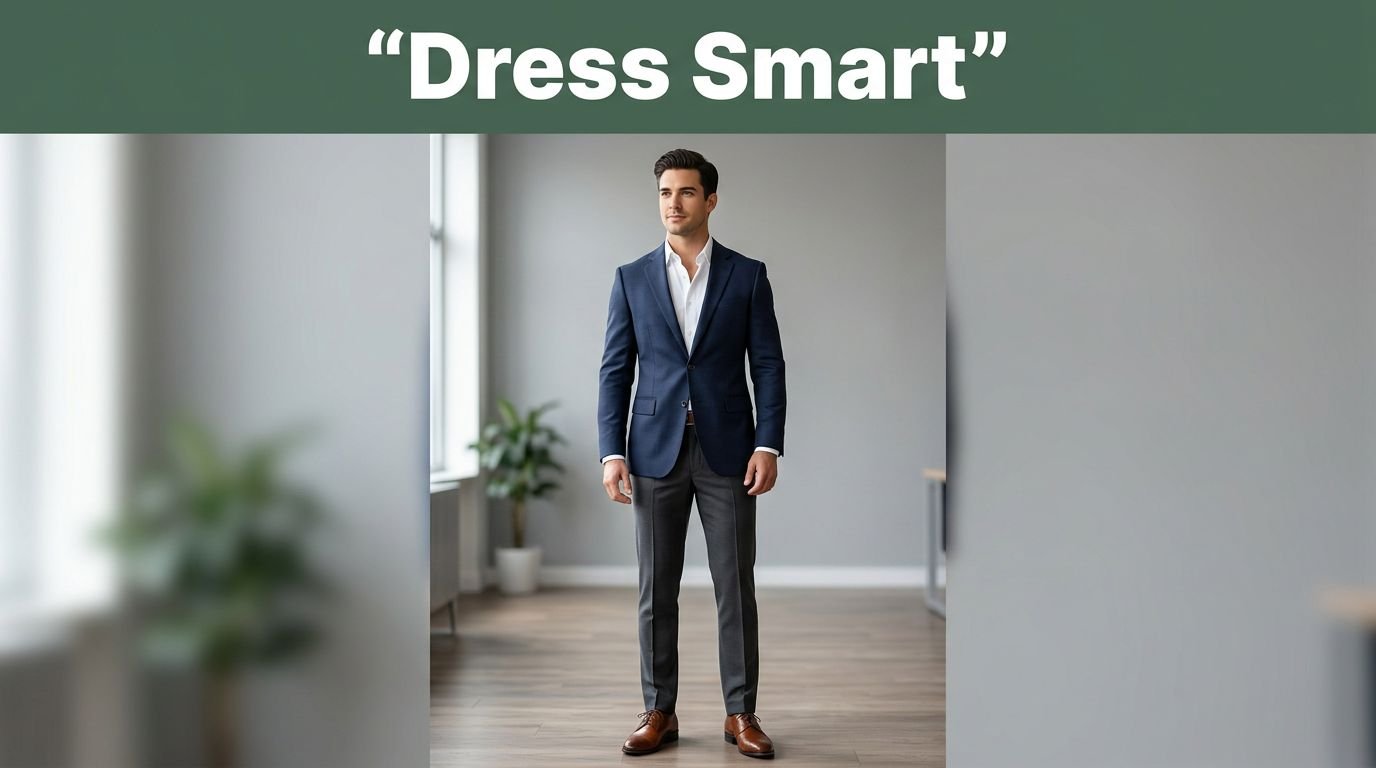
A scholarship interview gives you the chance to explain who you are, what you care about, and how the award could support your education. Your clothing won’t replace strong answers, but it can help you look prepared, comfortable, and ready to take the conversation seriously.
The best outfit for a scholarship interview is usually clean, polished, and slightly more formal than your everyday college or school clothes. You don’t need expensive designer clothing or a brand-new wardrobe. You need pieces that fit well, look neat, and allow you to focus on the interview instead of adjusting your sleeves, pulling at your shirt, or worrying about uncomfortable shoes.
Use the scholarship provider, interview setting, location, and expected dress code as your guide. A corporate foundation, a university department, a community organization, and an arts panel may all have different standards. These sections will help you decide what to wear to a scholarship interview in person or online.
1. Research the Scholarship Organization’s Dress Code
Before choosing your outfit, look at the organization offering the scholarship. Visit its official website, read the scholarship information carefully, and check its social media pages if the interview setting isn’t clear. You may find useful clues in photos of staff members, board members, past award ceremonies, or previous scholarship events.
A financial services company may expect traditional business attire. A nonprofit organization may prefer polished business-casual clothing. An arts foundation may be more open to personal style, while a university committee may expect a clean, academic look. If the invitation says “business casual,” don’t interpret that as casual clothing. In most interview settings, it means professional clothing without a full suit.
Check whether the interview is at an office, college campus, hotel, community center, laboratory, theater, or online. The location can affect your clothing choices, especially if you’ll walk across campus, tour a facility, or attend another event after the interview.
If the scholarship committee gives you a dress code, follow it. When no dress code is provided, choose a polished business-casual outfit that looks one step more formal than what you would wear to an ordinary class or campus meeting.
2. Choose Professional Business Attire as Your Base
When you’re unsure what to wear to a scholarship interview, start with professional business attire. This gives you a reliable foundation and works well for most academic, corporate, community, and nonprofit interviews.
A basic outfit can include a blazer, button-down shirt, blouse, dress pants, a knee-length skirt, or a simple dress. Neutral colors such as navy, black, gray, beige, cream, and white are easy to combine and won’t distract from your face while you speak.
You don’t need to wear every formal item at once. A navy blazer with a light-colored shirt and gray trousers can look just as appropriate as a matching suit. A simple sheath dress with a cardigan or blazer can also work well. The goal is to look neat and intentional without appearing uncomfortable or overdressed.
Choose clothing that allows you to sit, stand, walk, and shake hands easily. Try sitting in the outfit before interview day. Check whether the skirt rides up, the jacket pulls across the shoulders, or the shirt opens at the chest when you move.
3. Wear a Blazer, Suit, or Professional Outer Layer
A blazer is one of the most useful pieces for a scholarship interview because it makes a simple outfit look more polished. You can wear it with dress pants, a skirt, chinos, or a simple dress. Navy, black, charcoal, and neutral beige are safe choices that work in many settings.
A matching suit is appropriate for a highly formal interview, especially when the scholarship comes from a bank, law firm, consulting company, large corporation, or professional association. You can wear a suit jacket with matching trousers or a matching skirt, along with a simple shirt or blouse.
If a full suit feels too formal for the organization, wear a blazer with a different but coordinated bottom. For example, a navy blazer can work with gray trousers, black pants, or a modest skirt. Avoid pairing too many competing colors or patterns. One patterned item is usually enough.
Pay attention to the condition of your outerwear. A jacket covered in lint, pet hair, loose threads, or wrinkles can make an otherwise strong outfit look unfinished. Check the cuffs, collar, buttons, and pockets before you leave home.
For cold weather, wear a clean wool coat, trench coat, or another structured outer layer over your interview outfit. Remove heavy coats, scarves, gloves, and hats before the interview begins. If you need to wear boots because of snow or rain, carry clean professional shoes and change before you enter the interview room.
4. Select a Polished Shirt, Blouse, or Sweater
Your top should fit comfortably and stay in place when you sit down. Button-down shirts, modest blouses, polo-style knit shirts, and high-quality sweaters can all work, depending on the formality of the interview.
If you wear a button-down shirt, check the buttons while sitting and moving your arms. The shirt shouldn’t pull across your chest or leave a gap between buttons. A simple undershirt can help with coverage, but make sure its neckline and straps aren’t visible.
Blouses should not be sheer, low-cut, or overly decorated. Ruffles, large bows, sequins, and dramatic sleeves may draw attention away from what you’re saying. You can show some personal style, but the clothing should remain appropriate for a formal conversation.
A fine-gauge sweater works well for a winter scholarship interview. Choose a solid color and avoid oversized styles that look more suited to lounging. A sweater layered under a blazer can keep you warm without making the outfit look bulky.
Avoid shirts with slogans, large logos, sports graphics, political statements, or visible brand names. Even if you like the message, the interview is the wrong setting for clothing that could become a subject of conversation.
5. Pick Appropriate Trousers, Skirts, or Dresses
Your bottom half deserves as much attention as your shirt or jacket, especially if the interview includes walking, a campus tour, or a virtual setup that may show more of your outfit than expected.
Dress pants are a dependable choice. Look for trousers that fit at the waist and hips without pulling or bunching. The hem shouldn’t drag on the floor, and it shouldn’t sit so high that it looks accidental. Try walking and sitting in the pants before interview day.
A-line and straight skirts can provide a professional look while allowing comfortable movement. A pencil skirt may also work, but make sure you can walk normally and sit without constantly adjusting it. A skirt at or just above the knee is usually appropriate in a traditional interview setting. Longer skirts can work if they don’t drag or appear too casual.
A simple sheath dress is a practical one-piece option. Choose a modest neckline, a comfortable fit, and a length that allows you to sit easily. Add a blazer, cardigan, or structured sweater if the dress looks too casual on its own.
Avoid denim, athletic jersey, cargo fabric, sweatpants, leggings worn as pants, and beachwear. Even high-quality jeans can look too casual for many scholarship interviews. If the organization clearly has a relaxed dress code, dark, clean jeans may be acceptable, but dress pants are the safer choice when you don’t have clear guidance.
6. Wear Clean, Comfortable, Professional Shoes
Your shoes should look neat and feel comfortable enough for walking, stairs, and standing. Scholarship interviews may take place on a college campus, where you could walk between buildings or wait in a lobby before your appointment.
Closed-toe flats, loafers, dress shoes, low heels, and clean leather or professional-looking sneakers may work depending on the setting. Traditional business interviews generally call for dress shoes or polished flats. A casual nonprofit or campus interview may allow clean minimalist sneakers, but avoid athletic running shoes.
Don’t wear brand-new shoes on interview day. Wear them around your home or on short outings first so you can check for rubbing, slipping, or discomfort. A painful pair of shoes can affect your posture and concentration.
Keep heel height practical. You should be able to walk naturally and climb stairs without holding onto walls or changing your stride. Very high heels, platform shoes, and shoes that make loud sounds on hard floors can become distractions.
Clean or polish your shoes before you leave. Remove mud, dust, salt marks, and scuffs. Avoid flip-flops, beach sandals, slippers, worn-out sneakers, muddy boots, and shoes with visibly damaged soles unless the interview setting requires protective footwear.
7. Keep Accessories Simple and Purposeful
Accessories can complete your outfit, but they shouldn’t compete with your answers. Small earrings, a simple necklace, a modest bracelet, or a professional watch can work well. Choose pieces that won’t make noise when you move your hands or write notes.
A watch can help you keep track of time without repeatedly checking your phone. If you wear jewelry, test it while sitting at a table. Avoid anything that jingles, catches on clothing, or requires frequent adjustment.
Choose a structured tote, clean portfolio bag, briefcase, or professional messenger bag for an in-person interview. Your bag should be large enough for a folder, notebook, pen, identification, and other essentials, but it shouldn’t be stuffed with loose papers.
Empty bulky items from your pockets before the interview. Large key rings, overfilled wallets, loose coins, and tangled headphones can create awkward shapes in your clothing. Keep your phone on silent and put it away before you enter the interview room.
A belt should match or coordinate with your shoes when you’re wearing one. Avoid novelty buckles, flashy logos, and accessories that look more appropriate for a night out than a scholarship meeting.
8. Pay Attention to Grooming and Personal Presentation
Your clothing is only one part of your appearance. Clean, neat grooming helps you look prepared without requiring an elaborate routine.
Keep your hair tidy and away from your face if it tends to fall forward while you speak. You don’t need a formal hairstyle. A clean ponytail, bun, braid, short style, or loose hairstyle can all work when it stays in place.
Keep your nails clean and trimmed. Neutral polish is appropriate, but bare nails are perfectly acceptable too. If you wear bright polish or long artificial nails, check that they won’t interfere with writing, handshakes, or other practical parts of the interview.
Use little or no perfume or cologne. Strong scents can linger in a small interview room and may bother other people. Deodorant and clean clothing are enough for a professional setting.
Makeup, if you wear it, should be comfortable and suitable for an office, school, or formal meeting. You don’t need to change your personal appearance completely. The main concern is that you feel like yourself and aren’t distracted by makeup that smudges, feels heavy, or needs constant attention.
9. Prepare for Comfort and Temperature Changes
An outfit that looks good but feels uncomfortable can make the interview harder. Buildings may be cold because of air conditioning, while outdoor travel and crowded waiting areas can make you warm.
Use layers so you can adjust without disrupting your outfit. A blazer, cardigan, or lightweight sweater can add warmth over a shirt or dress. Choose fabrics that breathe and allow movement. Avoid very thick sweaters under tight jackets because they can restrict your arms and cause wrinkles.
Check the weather before you leave, but don’t let poor weather force you into an unprepared outfit. Rain, snow, and heat may affect your travel plans, so bring an umbrella or coat when needed. Keep your interview shoes clean and protected until you arrive.
Do a final mirror check while standing and sitting. Look for visible tags, loose threads, lint, deodorant marks, pet hair, gaps between buttons, and hems that sit unevenly. Check the back of your clothing too, since the interview panel may see it when you walk into the room or sit down.
10. Dress for a Virtual Scholarship Interview
A virtual scholarship interview still calls for professional clothing. Although the interview panel may only see your upper body, you should dress fully rather than wearing formal clothing with pajama pants or athletic shorts. You may need to stand, adjust your camera, or move away from your desk unexpectedly.
Choose a solid-colored shirt, blouse, sweater, or blazer that contrasts with your background. Tiny patterns, narrow stripes, and high-contrast designs can look distracting on a webcam. Very bright white clothing may also appear harsh under strong lighting.
Check your camera angle before the interview. Your clothing should look appropriate within the frame, and your neckline shouldn’t sit too low when you lean forward. Use a plain background, good lighting, and a stable internet connection when possible.
Avoid noisy jewelry and accessories that tap against your desk or microphone. Keep your phone away, silence computer notifications, and make sure your outfit doesn’t require constant adjustment. A virtual interview still depends on eye contact, clear answers, and a calm presence, so remove anything that pulls your attention away from the screen.
11. Adjust Your Outfit for STEM, Laboratory, or Technical Interviews
Some scholarship interviews connect to science, technology, engineering, mathematics, health care, or laboratory work. The clothing should remain professional, but safety and mobility may matter more than traditional office clothing.
Choose close-fitting but comfortable clothing that doesn’t hang loosely near equipment. Avoid dangling scarves, oversized sleeves, large jewelry, and open-toe shoes if you may enter a laboratory or technical workspace. Closed-toe shoes may be required for a tour, even when the interview itself takes place in an office.
A blazer, collared shirt, sweater, or neat blouse with trousers can work well. If the interview includes a lab visit, ask whether you need specific clothing, safety glasses, a lab coat, or other protective equipment. Don’t assume that formal clothing alone is suitable for every part of the event.
Your outfit should show that you understand the setting. Clean, practical clothing can look just as professional as a suit when the interview includes a facility tour or hands-on environment.
12. Show Personal Style at Arts and Performance Scholarship Interviews
Arts scholarships may allow more personal expression than a corporate interview, but your clothing should still look deliberate and appropriate. You can include color, texture, cultural clothing, or a distinctive accessory while keeping the overall outfit neat.
If you’re interviewing for music, dance, theater, visual arts, fashion, or creative writing, consider how your clothing fits the program and the event. A musician may need to move comfortably with an instrument. A dancer may need clothing suitable for a studio setting. An artist may choose a more creative outfit, but it should still look clean and presentable during the interview.
Avoid wearing a costume unless the scholarship committee specifically asks for one. Your outfit should support your identity without becoming the only thing the panel remembers.
A colorful blouse with neutral trousers, a textured jacket over a simple dress, or a tasteful cultural garment can show personality without looking careless. Keep comfort in mind if the interview includes a portfolio review, audition, performance, or tour.
13. Plan for a Campus Tour or Multi-Part Interview
A scholarship interview may be part of a larger event. You might attend a campus tour, meet current students, visit a department, eat lunch with committee members, or sit through an information session.
Wear shoes that can handle walking and clothing that remains comfortable after several hours. Avoid outfits that need constant steaming, frequent adjustment, or special care. A blazer, neat shirt, comfortable trousers, and polished flats or loafers are reliable choices for a full day.
Bring a weather-appropriate coat and a small bag that won’t become difficult to carry. If you need to change shoes after traveling through snow or rain, pack them in a separate bag and change before the interview.
You don’t have to wear the most formal outfit possible for every part of the day. The goal is to look prepared during the interview while staying comfortable during the campus activities around it.
14. Pack a Small Interview Go-Bag
A few practical items can help you handle small problems without leaving the building. Keep them in a neat folder or small pouch instead of carrying a large, overfilled bag.
Pack these items:
- Two or three copies of your resume, if the scholarship committee may request one
- A printed copy of your application or personal statement
- A small notebook and reliable pen
- Tissues
- Breath mints
- A stain-removal pen
- A safety pin
- A small sewing kit
- Hair ties or a comb, if you use them
- Hand sanitizer
- Identification and any required forms
- A phone charger, if you’ll be away from home for several hours
Use a clean folder to protect documents from wrinkles. Keep paper copies even if you submitted everything online. A committee member may ask about a detail in your application, and having your materials nearby can help you answer accurately.
Don’t bring a large pile of unrelated papers. Your bag should support the interview, not become another thing you have to manage.
15. Know How to Handle Clothing Emergencies
Small clothing problems happen, even when you prepare carefully. A button can fall off, a drink can spill, or a shoe can break on the way to the interview. A simple response is usually better than panicking.
If a button pops, use a safety pin or small sewing kit for a temporary fix. If you notice a loose thread, cut it carefully rather than pulling it. A stain-removal pen can help with a small food or drink mark, but test it carefully and don’t scrub delicate fabric aggressively.
If your clothing becomes badly stained or damaged, contact the scholarship office if you’re going to be late. A short, polite message is better than arriving flustered and unable to explain the delay. If you arrive early, use the restroom mirror to check your clothing, hair, and shoes before the interview begins.
You may also feel overdressed when you arrive and see other students wearing more casual clothes. Don’t change into something less professional just because someone else made a different choice. If your outfit is clean, comfortable, and suitable for the stated setting, let it do its job and focus on the conversation.
16. Avoid Common Scholarship Interview Clothing Mistakes
Many outfit mistakes are easy to prevent. They usually happen when you choose clothing based only on appearance and forget comfort, setting, or practicality.
Avoid these common problems:
- Wearing clothes that are too tight, too short, or too loose
- Choosing a first-date outfit instead of a first-job outfit
- Wearing clothing that wrinkles after a few minutes of sitting
- Showing visible undergarments or shirt gaps
- Wearing strong perfume or cologne
- Choosing loud jewelry that makes noise
- Wearing visible political, sports, or brand logos
- Trying a new hairstyle, makeup product, or pair of shoes on interview day
- Ignoring the weather and travel conditions
- Wearing clothing that requires constant adjustment
- Choosing novelty clothing that distracts from your answers
- Carrying an overfilled or visibly damaged bag
You don’t need to look older than you are. You need to look like a prepared student who understands the importance of the meeting. Clean, well-fitting clothing usually makes a better impression than expensive clothing that doesn’t suit the setting.
17. Match Your Outfit to the Interview’s Level of Formality
The right answer to “What should I wear to a scholarship interview?” depends on the event. Use the following guide when the invitation doesn’t provide enough detail:
- For a formal corporate scholarship, wear a suit or a blazer with dress pants or a professional skirt.
- For a university scholarship, choose business-casual clothing such as a blazer, blouse, sweater, dress pants, or a modest dress.
- For a community nonprofit scholarship, wear neat business-casual clothing with simple accessories.
- For a creative scholarship, add tasteful color or personal style while keeping the outfit clean and polished.
- For a laboratory or facility interview, choose professional clothing with closed-toe shoes and practical layers.
- For a campus tour, wear comfortable professional clothing and shoes suitable for walking.
- For a virtual interview, dress fully and select colors and patterns that look clear on camera.
When you’re between two options, choose the cleaner and slightly more formal one. A blazer can be removed if the setting feels relaxed, but it may be difficult to make a very casual outfit look more formal after you arrive.
18. Check Your Complete Outfit the Day Before
Try on your entire outfit at least one day before the scholarship interview. Include your shoes, outerwear, accessories, bag, and any clothing layers you’ll wear during travel.
Sit in a chair, walk across the room, raise your arms, bend slightly, and check how the clothing moves. Look at yourself in natural light and under indoor lighting. This helps you catch wrinkles, transparent fabric, awkward hems, uncomfortable waistbands, or shoes that don’t work with the outfit.
Steam or iron the clothing, polish your shoes, and put all necessary items in your bag. If something doesn’t fit or feels uncomfortable, you’ll still have time to choose another option.
Keep the outfit simple enough that you won’t worry about it during the interview. You want the committee to remember your answers, goals, preparation, and personality, not a shirt that kept coming untucked or shoes that made walking difficult.
Conclusion
The best answer to what to wear to a scholarship interview is clean, comfortable, professional clothing that fits the organization and setting. A blazer, button-down shirt, blouse, sweater, dress pants, modest skirt, or simple dress can create a strong foundation without requiring expensive clothing.
Research the scholarship provider, follow any stated dress code, and choose an outfit that allows you to sit, walk, and speak comfortably. Pay attention to shoes, grooming, accessories, weather, and small details such as wrinkles, lint, loose threads, and visible logos.
Scholarship opportunities can be easier to manage when you have clear information at each stage of the process. ScholarshipVaults helps students find scholarship listings and practical guidance for preparing applications, organizing documents, and handling important deadlines. With your outfit prepared the day before, you can walk into the interview ready to talk about your education, goals, and the work you hope to do with the support of the award.
This post may contain affiliate links. If you make a purchase through these links, I may earn a small commission at no extra cost to you.