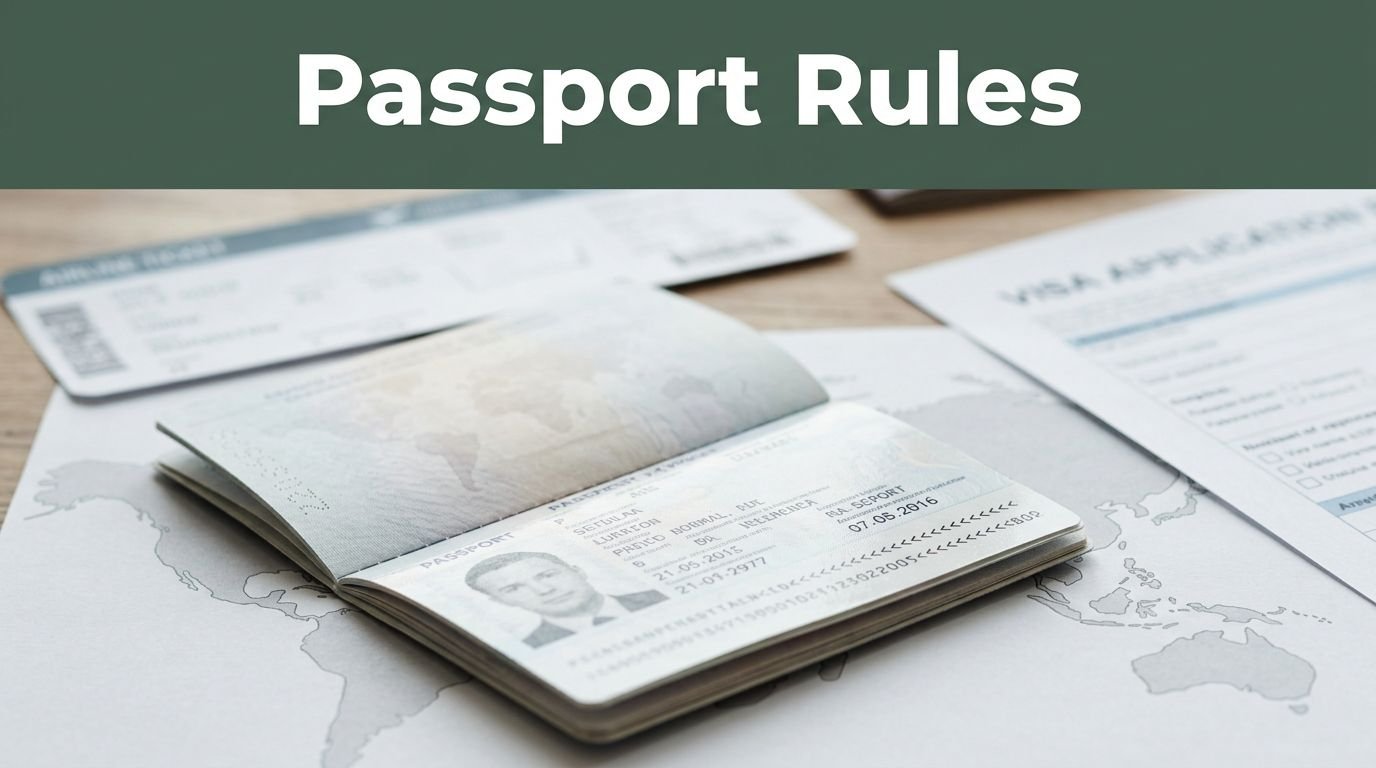
If you are researching the passport validity scholarship applicants must maintain, do not start with the scholarship form. Instead, start with the expiration date printed on your passport. Planning for a successful study abroad experience begins with ensuring your travel documentation is fully compliant with international standards.
That single date can significantly impact your application, your visa processing, and your ultimate travel plans. Even if your documents appear valid today, they may fail to meet the requirements for a future interview or your scheduled departure. Because every passport scholarship program has its own specific set of rules, you should check the entire timeline of your journey, not just the application deadline. Before you commit to any study abroad program, verify your passport validity first and work backward from your intended return date to ensure your documentation remains current throughout your stay.
Key Takeaways
- Your scholarship deadline is only part of the puzzle. Meeting visa requirements, flight dates, and return travel can all need a longer passport window.
- The six months validity rule is common, but not universal. Some countries have exceptions, so your nationality matters.
- Study abroad offices often want extra buffer time. Many want your passport valid well after your trip ends.
- Passport renewal is safer than waiting. A slow passport office can create a last-minute problem you did not plan for.
- Match every document. Your name, passport number, and expiry date should line up across your forms.
Why the passport date matters before you apply
Your scholarship deadline is not the only date that matters. If your program leads to an education abroad experience, a visa appointment, an embassy interview, or a flight booking, your passport must remain valid through every stage of the process.
That is where many applicants get caught. Your application can look perfect on day one, then fall apart later because your passport expires too soon. A document that is valid today can become a significant hurdle before you actually travel. This is especially critical for first-year students who may be navigating international travel requirements for the first time and need to verify passport validity scholarship applicants must meet early in their planning.
This is why the passport validity scholarship applicants should prioritize is something to check immediately. National scholarships move slowly, visa offices operate on their own schedules, and airlines enforce strict travel regulations.
A passport that works for one form can still fail at the visa stage. The safe move is to check the longest date in the chain.
It helps to think of your passport as the first gate in a long line. If that gate is weak, every step of the journey becomes more difficult. Maintaining proper passport validity ensures that you are prepared for every phase of your academic adventure.
The passport rules you usually run into
The six-month rule and six months validity requirement
One of the most common regulations for international students is the six months validity requirement. For U.S. F-1 travel, your passport must typically be valid for at least six months beyond your intended entry date rather than your graduation date.
The U.S. Department of State provides official travel guidelines that vary depending on the host country. While Ohio State’s travel requirements page clarifies these standards, it is important to remember that some nations have reciprocity agreements. Because visa requirements for your host country may change based on your nationality, you should never assume your passport status is sufficient based on another student’s experience.
Scholarship forms and document consistency
National scholarships, such as the Gilman Scholarship for Pell-eligible students with financial need, often require a copy of your passport before you finalize your travel plans. They may request your bio page, passport number, or current expiration date to ensure your records align with your official identity from the start.
If you renew your document later, the new passport number and updated expiration date must match every other document in your file. Even a minor discrepancy, such as a missing middle name or an outdated number, can trigger administrative delays. These complications are unnecessary obstacles during your application process.
Study-abroad offices and recommended buffers
Scholarship rules are only part of the equation, as study-abroad offices often implement their own buffer beyond standard visa requirements.
Temple’s passports and visas guide suggests your passport should not expire within three to six months after your flight home. This extra cushion accounts for transit-country regulations, airline boarding policies, and potential schedule changes. While you may be concerned about passport application fees for early renewals, having a valid document is far more cost-effective than being denied boarding for a trip you have already funded. When in doubt, the safest option is to renew early.
Here is the date chain worth checking at a glance.
Stage |
What to compare |
What can go wrong |
|---|---|---|
Scholarship application |
Expiration date and name spelling |
Review delays if details do not match |
Visa interview |
Passport validity and entry date |
You may need a renewal before approval |
Departure planning |
Passport validity and return date |
Airline or transit rules can stop boarding |
The pattern is clear. Your passport has to be valid throughout the entire process, not just on the day you submit your form.
What to do when your passport is close to expiring
If your passport is within a few months of expiring, start the passport renewal process immediately. Government agencies often have backlogs, so do not assume your scholarship timeline will wait for bureaucratic delays. While planning your budget, remember to account for potential passport application fees, as these costs are not always covered by your award. For undergraduate students who have not yet traveled, resources like the IIE American Passport Project can be a lifesaver, as they often provide guidance for obtaining a first-time passport or offer assistance with reimbursement for fees.
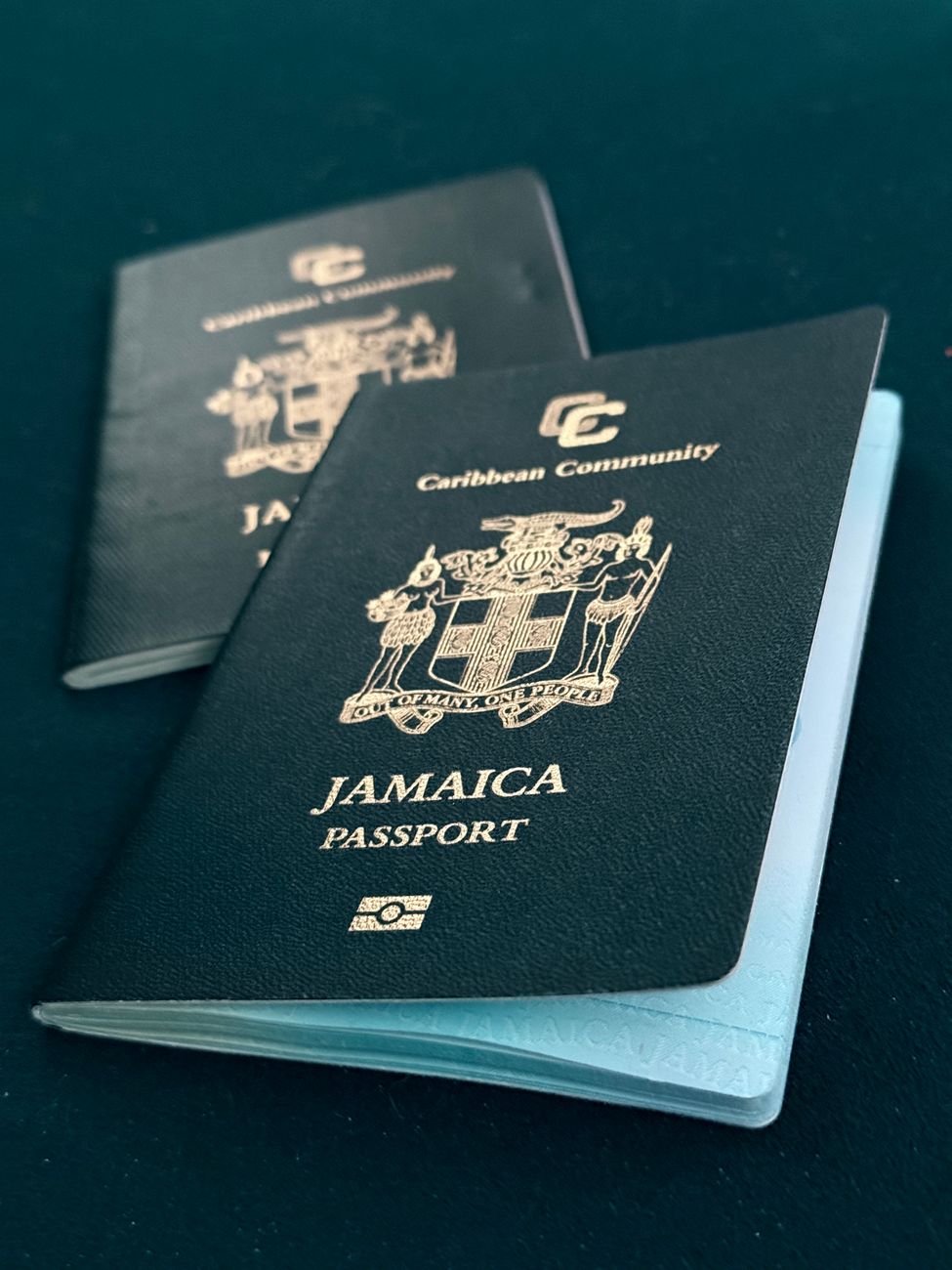
Photo by Dewnette Reid
If you are already abroad, check with your country’s embassy or consulate. For U.S. citizens, utilize U.S. Department of State services or official portals like VFS Global if that is the designated route for your location. If your passport is set to expire before your academic program concludes, do not wait until the final month to take action.
Keep your old passport safe if it contains a valid visa or serves as evidence of your travel history. Many authorities require you to submit both the old and new books together during processing. Maintaining a clean digital file with high-quality scans of both documents will make your future administrative tasks much easier.
The main rule is simple. If your expiry date occurs before your program ends, you are cutting it too close. Planning ahead ensures you remain eligible for your scholarship and ready for your international journey.
A quick passport check before you submit anything
Use this quick check before you send any scholarship application form to ensure your documentation is ready for processing.
- Read the passport expiration date and write it clearly beside your specific scholarship deadline.
- Compare your passport validity with your expected visa requirements, including your anticipated interview date, flight departure, and final return date.
- Verify whether the scholarship program requires a clear passport scan, your current passport number, or specific proof of nationality.
- Review the travel page provided by your host university or education abroad office, as their specific buffer requirements may be stricter than the general scholarship guidelines.
- Renew your passport early if the timeline feels tight. If you are applying for your first-time passport or need a renewal, check your local campus for a scheduled passport drive to streamline the process, as waiting until the last minute often causes unnecessary stress.
That five-minute check catches the common mistakes that cause the most trouble. Most of these errors are simple oversights, and that is exactly what makes them so easy to miss.
If you want one rule to remember, make it this: do not plan around the date you apply, plan around the date you begin your study abroad experience.
Frequently Asked Questions
Can I apply for a scholarship if my passport is expiring soon?
While you might be able to submit an application, it is highly recommended to renew your passport before applying. Many scholarships and visa processes require your document to be valid for several months beyond your return date, and waiting until the last minute can lead to significant delays.
What is the six-month rule, and does it apply to every student?
This rule requires your passport to be valid for at least six months beyond your intended date of entry into a foreign country. While it is a very common international standard, some countries have specific bilateral agreements that may differ, so you should always verify the requirements for your specific host nation.
Should I keep my old passport after I receive a new one?
Yes, you should always keep your expired passport, especially if it contains valid visas or important travel history. Many government agencies require you to present both your old and new passports during administrative processes or when applying for future travel documentation.
Does my study abroad office have different passport requirements than the scholarship provider?
Often, yes. While a scholarship provider may have a baseline requirement, your university’s education abroad office may mandate a longer buffer period to account for airline policies and potential transit issues. Always prioritize the strictest requirement among all your different stakeholders.
Conclusion
The passport date in the corner matters because every later step in your journey depends on it. Scholarship forms, visa checks, flight rules, and return dates all pull on the same thread. Ensuring your travel documents are in order is a foundational step toward achieving your goals in international education.
If you remember one thing, make it this, passport validity is a critical part of your application, not an afterthought. Check your document early, compare it with every anticipated travel date, and renew it before the paperwork starts to rush you. Taking these proactive steps now is essential for a smooth study abroad experience and will help keep your academic dreams on track.
This post may contain affiliate links. If you make a purchase through these links, I may earn a small commission at no extra cost to you.