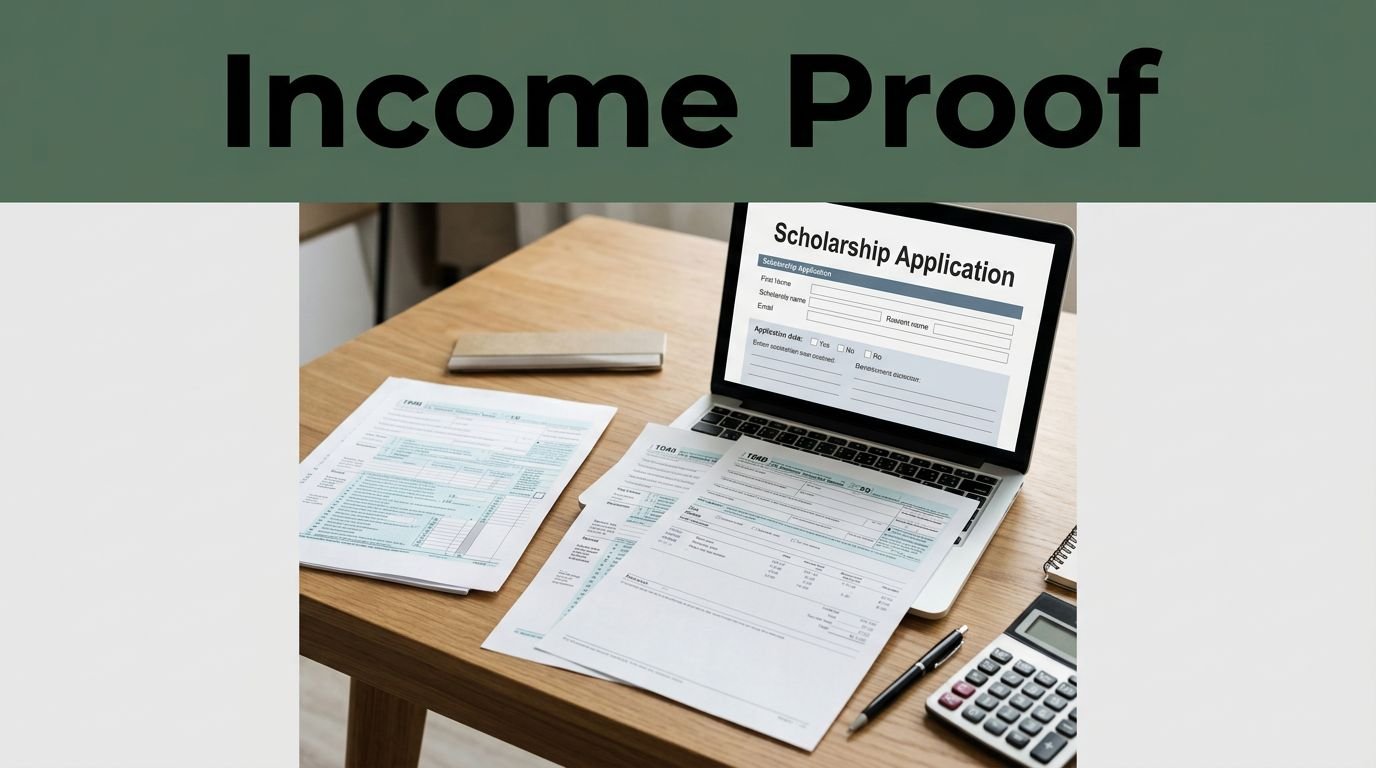
A proof of income scholarship request can feel simple until you have to pull together the right papers. One missing page, one blurry scan, and the application starts to wobble.
The good news is that most reviewers want the same thing, a clear, honest picture of household income. If you know which documents count, how to sort them, and what to skip, you can send a clean file on the first try.
Key Takeaways
- Read the scholarship checklist first, because document rules change from one program to the next.
- Use official, current records, not screenshots or half-finished files.
- Match the paperwork to your income type, salary, self-employment, benefits, or mixed income.
- Keep names, dates, and totals easy to read so the reviewer can verify them fast.
- If your income changed, explain it with documents, not a long story.
Why scholarship programs ask for income proof
Most need-based scholarships use income proof to compare applicants with the same yardstick. That helps the program see whether your household fits its income limits or award tiers. If a school or foundation uses multiple documents, it usually wants a current snapshot, not a guess.
Your own paycheck may not tell the full story. If you’re listed as a dependent, the application may focus on parent or guardian income. If you’re independent, it may focus on your own pay, benefits, or business income.
Before you gather anything, open the scholarship checklist or program guide. A sample scholarship application checklist can tell you whether the office wants pay stubs, tax forms, or both. That small step can save you from uploading the wrong thing twice.
If the form defines household a certain way, follow that definition, not the one you use at home.
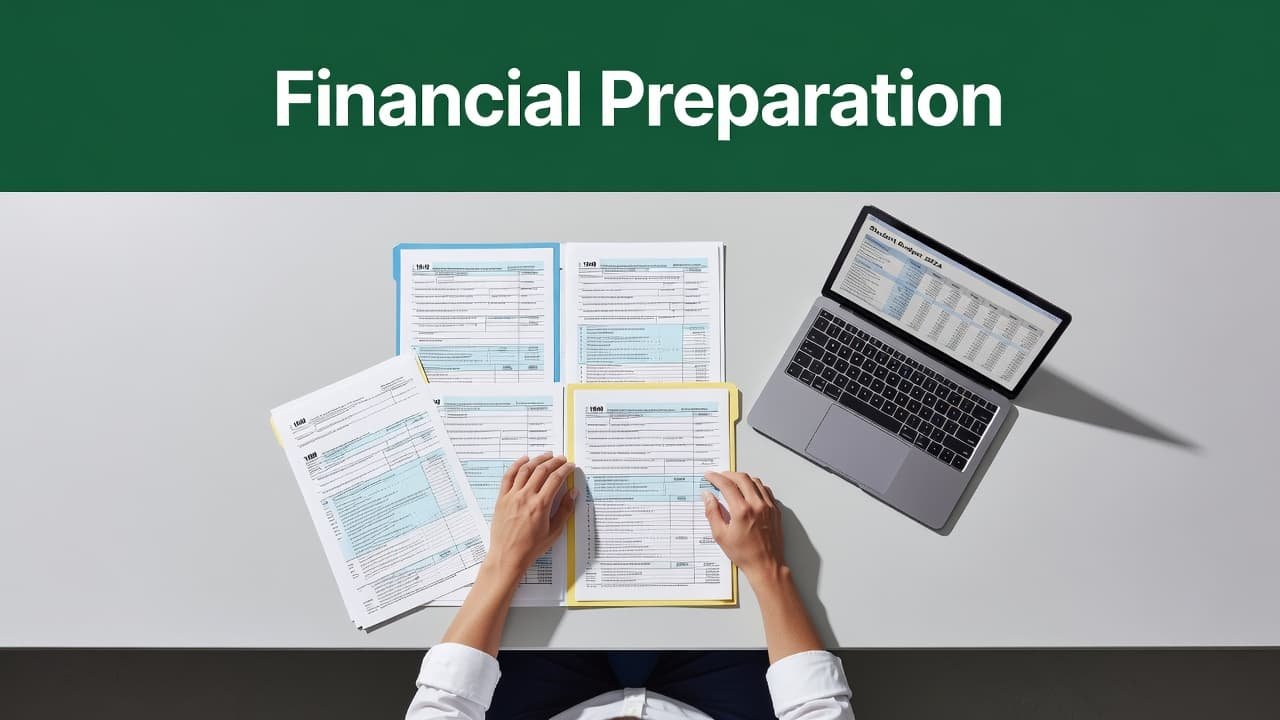
What documents usually count
Different programs ask for different proof, but the basics are familiar. The document has to show where the money came from, how much there was, and when it was earned.
For a quick overview of common options, this proof of income document types guide is useful. The table below shows how the most common documents usually fit.
Document |
Best for |
Watch out for |
|---|---|---|
Recent pay stubs |
Wages from a job |
Show dates, employer name, and gross pay |
Tax return or IRS transcript |
Annual household income |
Use the latest filed year |
W-2 or 1099 forms |
Employees, freelancers, contractors |
Often needs current proof too |
Employer, pension, or benefits letter |
Fixed income or support payments |
Keep it official and recent |
Self-employment records |
Freelancers and side businesses |
Pair with tax forms if asked |
A W-2 shows what you earned from one job in a tax year. Pay stubs show what you’re earning now. Tax returns show the larger annual picture. That is why some applications ask for more than one document.
If your income comes from more than one place, combine the records so they tell the same story. A part-time job plus unemployment benefits, or freelance work plus a 1099, can both matter. A bank statement can help if the program accepts it, but don’t treat it as a universal answer. Reviewers usually want the source of income, not just the place where money landed.
How to organize your file so it gets approved faster
Once you have the right papers, order matters. Scholarship reviewers move faster when your file reads like a clean stack, not a junk drawer.
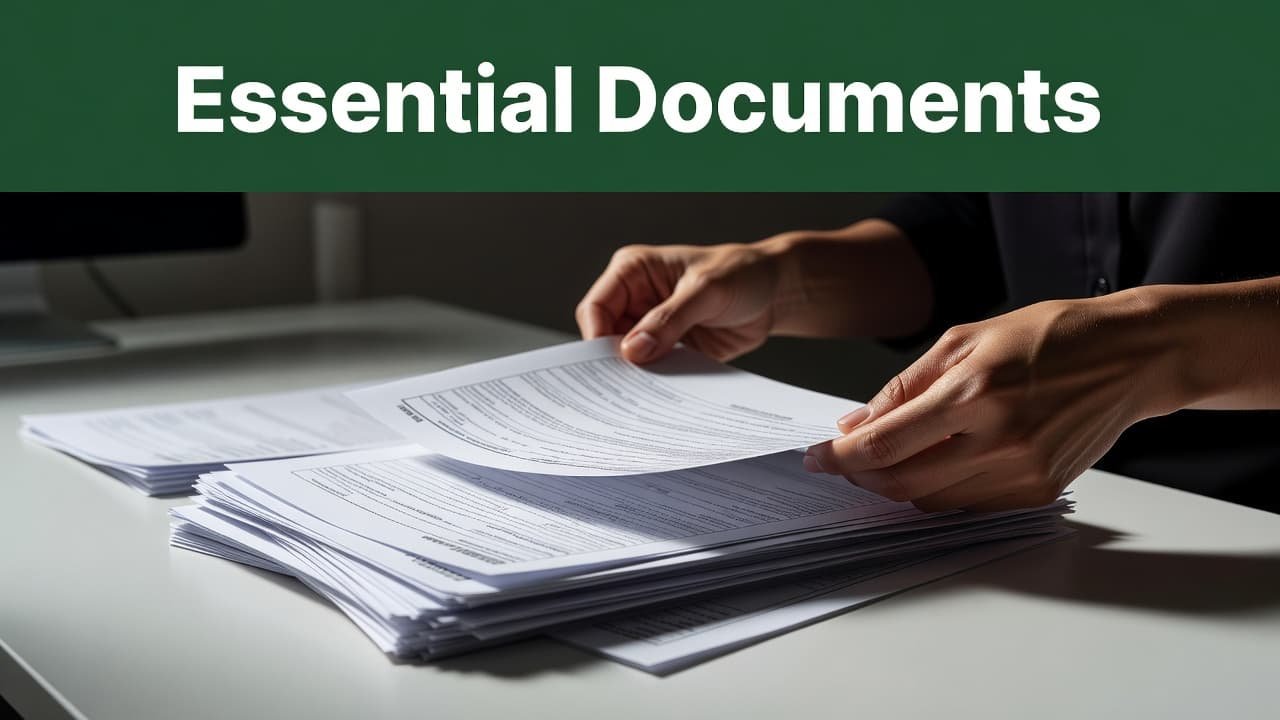
Start with the newest document for the time period the scholarship asks for. Then add supporting pages in a simple order, like pay stubs, tax records, and any letter that explains benefits or self-employment income.
A few habits help a lot:
- Save each file as a PDF unless the portal says something else.
- Use clear file names, like “2025-pay-stubs” or “2024-tax-return”.
- Keep every page readable, full-sized, and uncut.
- Upload both sides of a form if the back side has information.
- Merge pages in the same order as the checklist, if the system allows it.
If the portal has a file-size limit, keep the scan sharp but not oversized. If the upload tool rejects your file, don’t fight it with a blurry photo. Fix the scan instead. A clean file beats a quick file every time.
Some programs use online verification portals, and those can be strict about format and order. Ohio’s income verification portal guide is a good example of how detailed a portal-based process can be. Follow the file type, naming rules, and upload sequence exactly.
What to do if your income is irregular
Not everyone gets paid the same way every week. If you freelance, work seasonal hours, get cash tips, or had a recent job change, your task is to show a realistic pattern.
If you freelance or run a small business
Self-employment paperwork usually works best as a group. A tax return, 1099 forms, recent invoices, and a simple profit-and-loss summary often tell the full story better than one document alone. If the application asks for current income, use the time period it names and keep your math simple.
If your records are messy, clean them up before you submit anything. Sort business income from personal deposits. Separate one-time payments from regular ones. That makes the file easier to read and easier to trust.
If your income changed recently
A layoff, a reduced schedule, a new job, or a benefit change can shift your numbers fast. In that case, send the document that shows the change, like a layoff notice, a benefits letter, or a new employer letter. If the form gives you a notes box, use one or two plain sentences.
You do not need a long explanation. You need the record that matches the current picture. If the scholarship office asks for average monthly income, use the method it requests, not the method that feels easier.
Household changes matter too. Divorce, separation, death, or a new guardian can change which income counts. When that happens, use the current household setup and the documents that match it. If the application is unclear, ask the scholarship office before you submit. One short question now can prevent a messy resubmission later.
Common mistakes that slow everything down
The easiest mistake is uploading something unreadable. A fuzzy photo, a cropped corner, or a screenshot with missing numbers can stall the review.
Other problems show up fast too:
- Mixing net pay and gross pay when the form asks for one specific figure.
- Sending old documents when the application wants recent proof.
- Leaving out signature pages, parent sections, or back sides of forms.
- Using only one document when the program asks for two different types.
- Forgetting that the scholarship may use parent or guardian income, not just yours.
If you have to explain a page twice, it probably needs to be replaced.
A slow review often comes from a small error, not a big one. Read the checklist again before you upload. Then compare every page against the form. Does the name match? Do the dates match? Does the income period match? If the answer is no, fix it before the deadline turns into a problem.
Conclusion
When you prepare your documents with the reviewer in mind, the whole process gets easier. You stop hunting for last-minute fixes and start submitting a file that makes sense at a glance.
For a proof of income scholarship application, that usually means current records, the right household information, and clean scans that are easy to read. If you get those three things right, you avoid most delays before they start.
One careful folder can do more than a stack of rushed pages ever will.
This post may contain affiliate links. If you make a purchase through these links, I may earn a small commission at no extra cost to you.